
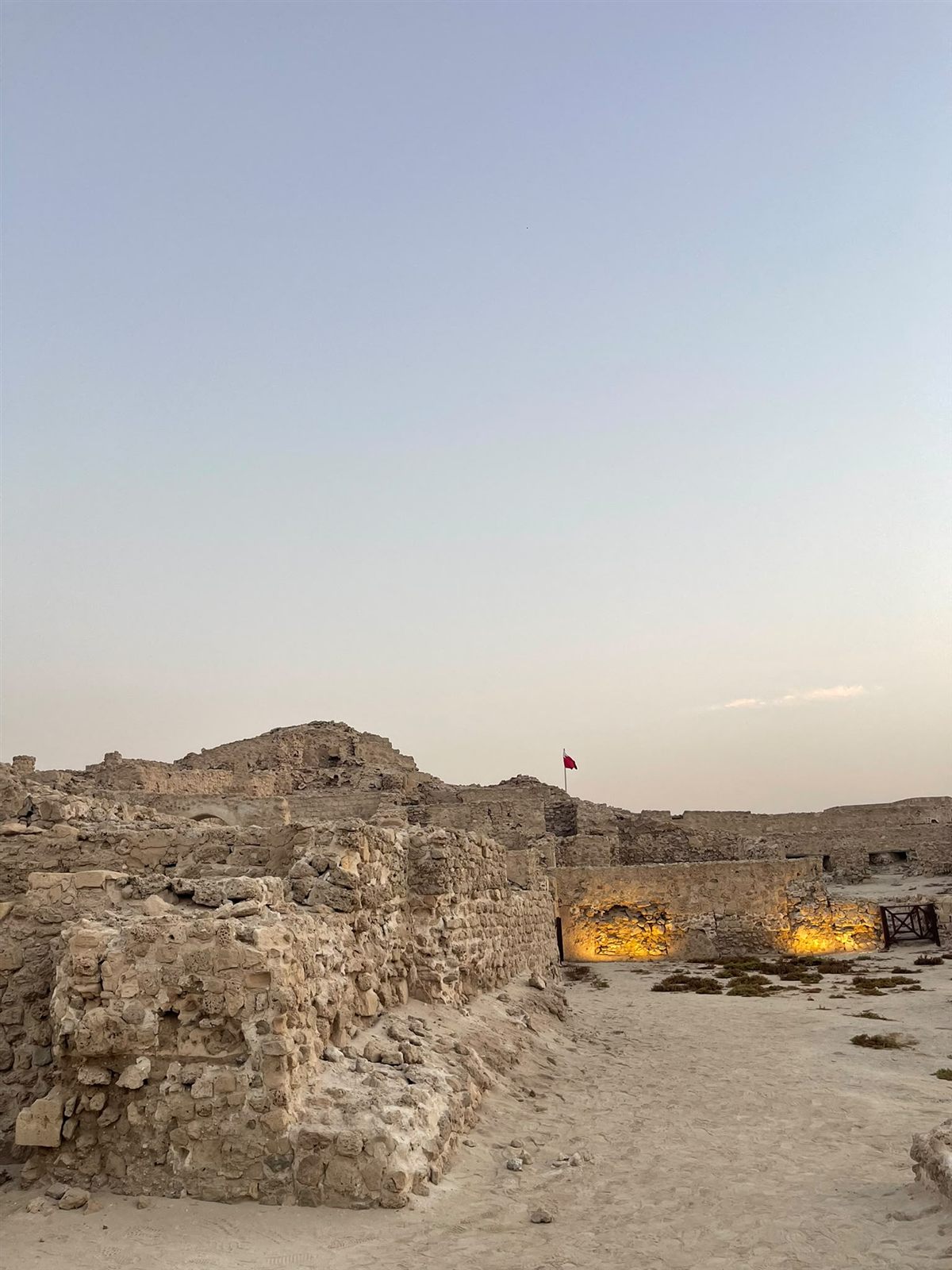
Two days is enough to get a good sense of Bahrain, though not enough to see everything. The island is small, so opening hours matter more than distance. Many museums and heritage sites close for part of the day, and some close one day a week. A weekend visit works well if you plan around those hours.
This plan suits a visitor staying in Manama, the most practical base, who wants to see the main heritage sites, eat well and avoid long taxi rides. Bahrain's weekend falls on Friday and Saturday, which matters for the mosque, so the plan takes that into account.
Three opening rules to check first
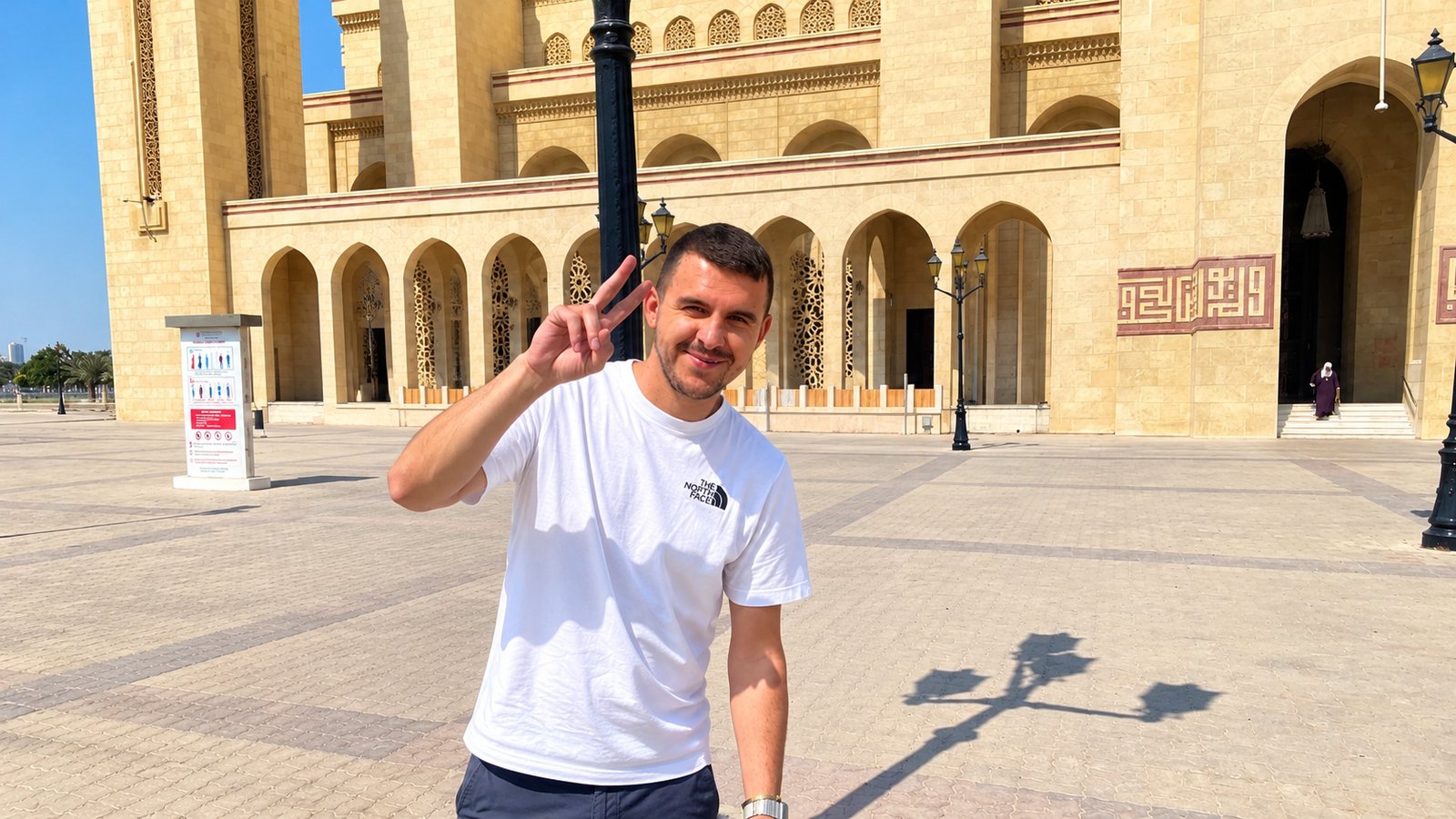
- Al Fateh Grand Mosque is closed to non-Muslim visitors on Fridays. For non-Muslim visitors it is open from 9 am to 4 pm, Saturday to Thursday. If you arrive on a Friday, plan the mosque for Saturday.
- The Bahrain National Museum is closed on Tuesdays.
- The museum at Bahrain Fort is closed on Mondays.
Day one: Manama
Start at Bab Al Bahrain and Manama Souq
Start the morning in the old quarter around Bab Al Bahrain, the traditional entrance to the market. The lanes are quieter early on, before the shops fill up, so it is a good time for photographs.
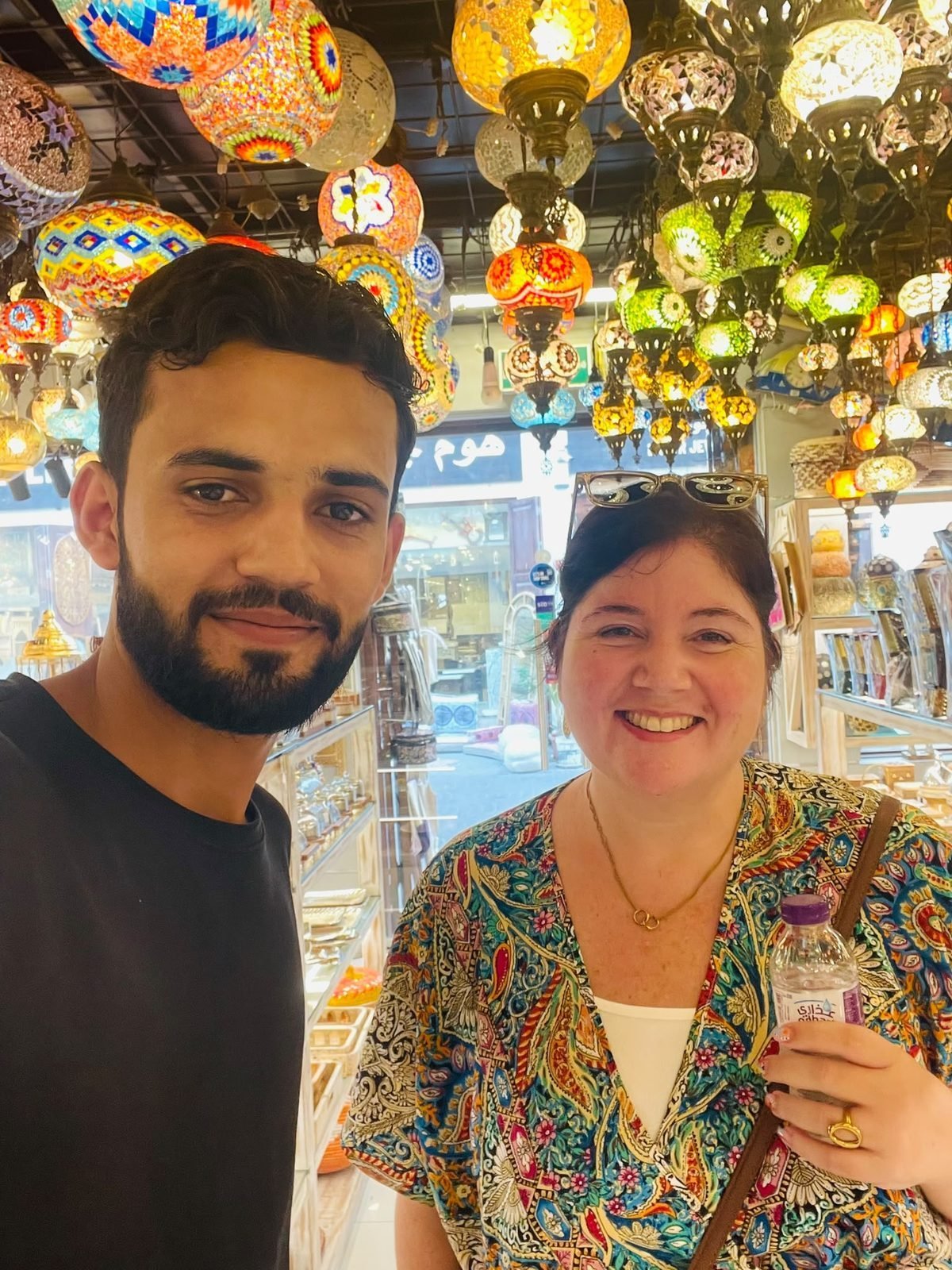
From there, walk into Manama Souq. The covered lanes are narrow and busy, and the Gold Souq is the best-known part. You do not need to buy anything to enjoy it, but expect to slow down. Our guide to the souq explains what to look for.
Al Fateh Grand Mosque
Visit in the late morning, and check that day's visiting arrangements first, because they change with prayer times and special occasions. For non-Muslim visitors, dress modestly: cover your shoulders and knees, women cover their hair, and shoes come off at the entrance. Allow about 45 minutes.
Bahrain National Museum
Give the museum about an hour to 75 minutes. The collections cover the island's long history, from ancient burial sites and the Dilmun period through to the pearling economy of the twentieth century. The explanations are clear, which helps if you are short on background. Check opening days before you plan the afternoon, because the museum is closed on Tuesdays.
Lunch
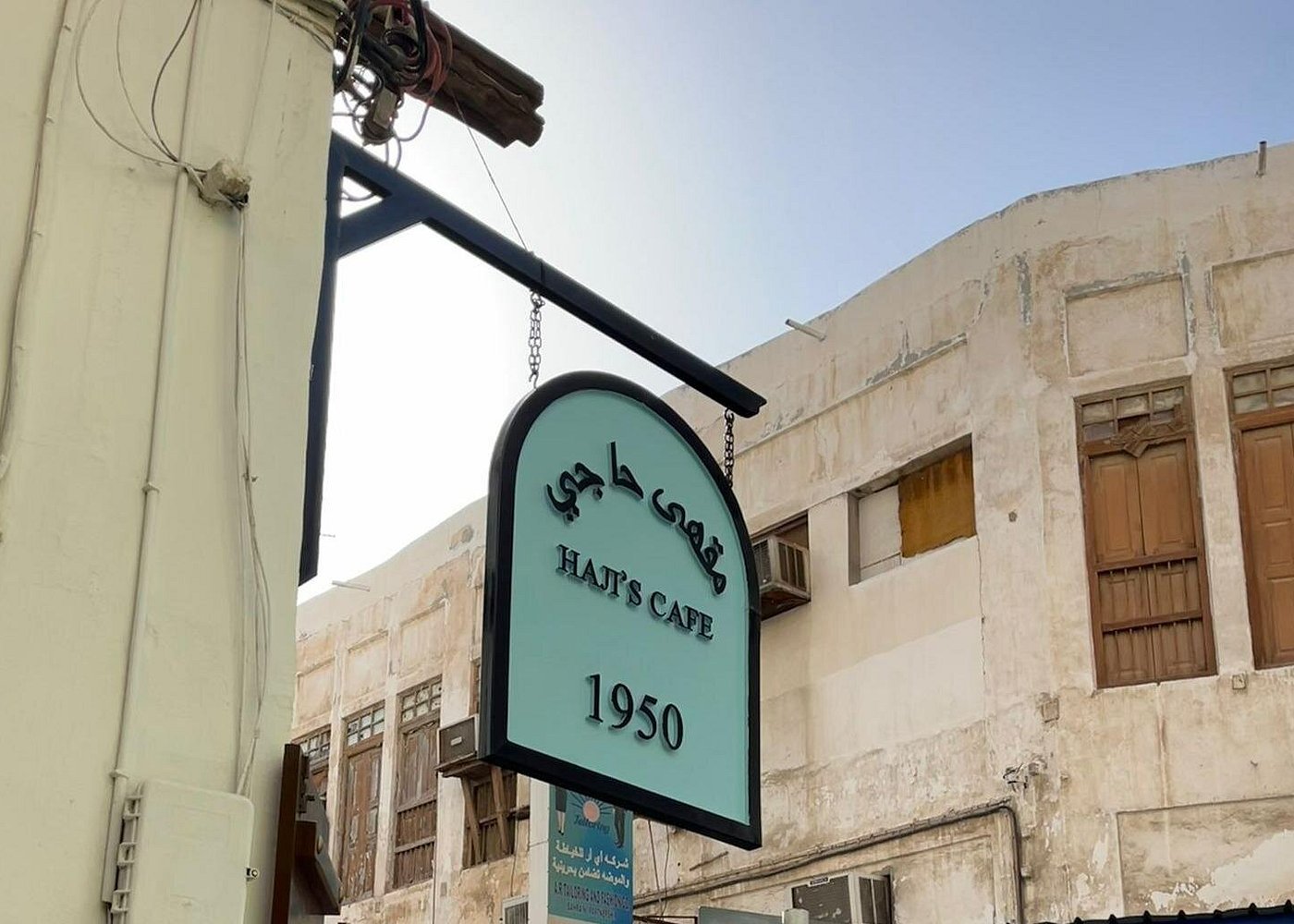
Lunch is a good moment to try local food. Look for machboos, spiced rice with fish or chicken, and ghuzi, a slow-cooked lamb dish. Bahraini cooking has been shaped by the sea, by trade and by the date palm, so the flavours are warm and layered rather than fiery. Our food guide explains the main dishes, so you know what to order.
Bahrain Fort
After lunch, visit Qal'at al-Bahrain, usually called Bahrain Fort. It is the most important archaeological site on the island and part of a UNESCO World Heritage Site, linked to Dilmun and to Bahrain's role in ancient trade. Allow about 75 minutes, and wear comfortable shoes, because the paths are uneven and the sun is strong for most of the year.
Day two: Muharraq and A'ali
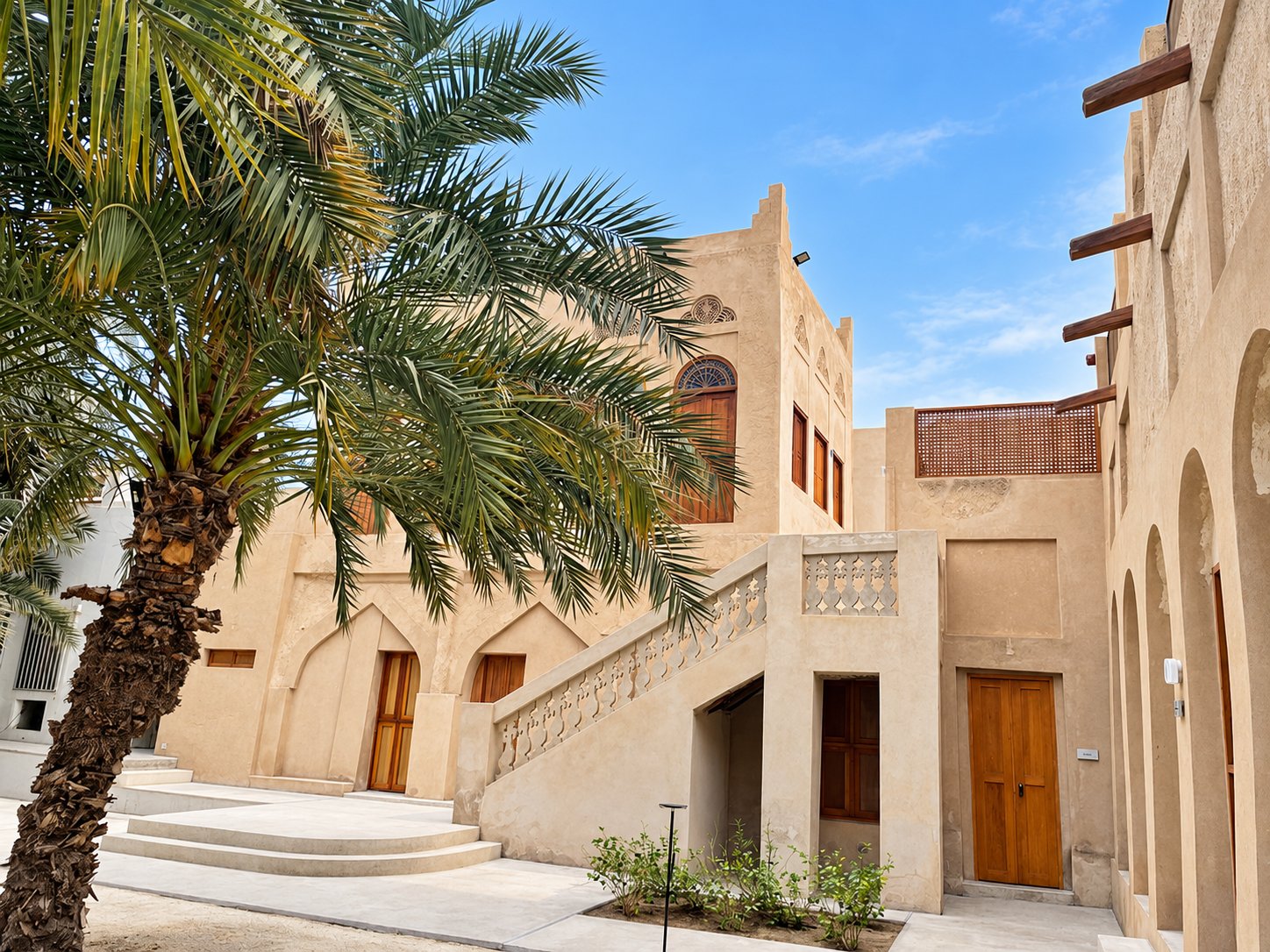
On the second day, cross to Muharraq. The island was the centre of Bahrain's pearl trade for centuries, and its traditional merchant houses are among the most interesting buildings in the country. A morning start suits this part of the day, when the sites are quieter and cooler.
The Pearling Path
Walk the route slowly and read the information boards at each site. The houses make most sense as part of a working economy, not as museum pieces. A guided walk helps, because the stories behind the buildings are not always obvious from the street. Our two-day tour allows about 90 minutes for the Pearling Path walk.
Historic houses and Arad Fort
After the Pearling Path, the route continues to the historic houses and the Siyadi area, subject to access, and then to Arad Fort. Our two-day tour allows about 45 minutes at Arad Fort. Take water and a hat, because much of this part is outdoors.
A'ali pottery and burial mounds
In the afternoon, visit the A'ali pottery area. The burial mounds are close by, and you can see potters at work. Our two-day tour allows about an hour here, which makes a good finish to the trip.
The Muharraq boat cruise
If you would rather see the coastline from the water, our Muharraq Pearling Path Walk and Boat Cruise combines a guided walk with a boat cruise of about 30 minutes from the Muharraq marina. The tour starts at 4 pm, 5 pm or 6 pm, depending on the date, and takes about 3 hours in total.
Transport and timing
Taxis are easy to find in Manama, but traffic can slow journeys between sites, especially in the afternoon. Plan the Muharraq visit for the morning if you can. Carry water, use sunscreen, and keep a copy of your booking details on your phone.
Many shops and some attractions have different hours on Friday and Saturday, so check before you travel. Public holidays can change things, and the local tourism authority publishes current information for visitors.
Where a private tour saves time
With only two days, a private guide can save more time than any other single decision. A guide knows the order of the sites, can check opening times in advance, and can explain the history on the spot.
Our private two-day Bahrain tour covers Day 1 in Manama, including the mosque, the National Museum, Bab Al Bahrain and the souq, and Bahrain Fort. Day 2 covers Muharraq, the Pearling Path, Arad Fort and the A'ali pottery area. It is one booking for a private group of up to 5 guests, with an English-speaking guide and a private vehicle for both days.
If you have only one day, our private 7-hour Bahrain tour covers the main Manama landmarks.
Keep planning: Bahrain one-day sightseeing itinerary, best places to visit in Manama, our two-day private Bahrain tour, our private 7-hour Bahrain tour and all our tours.
Official sources: UNESCO: Qal'at al-Bahrain, UNESCO: Pearling Path, Bahrain government: Tourism, Culture and Sports.
Frequently asked questions
Is two days enough for a first visit to Bahrain? Yes, for the main heritage sites and the old city. You will not see every beach or every museum, but two days gives a good overview.
Which day should I visit Muharraq? Most travellers find a morning visit works best, when the sites are quieter and cooler.
Do I need to book the sites in advance? Most sites can be visited without advance booking, but opening hours change. Check before you travel, and book a guided tour if you want a fixed schedule.
What should I wear? Light, modest clothing is comfortable for most of the year. Cover your shoulders and knees when you visit the mosque, and bring a light layer for air-conditioned places.
Putting it together
A two-day Bahrain weekend works best when you plan around opening hours and split the sites between the old city and Muharraq. Start early, leave the afternoon for the museum or a long lunch, and keep the second day for the heritage sites. If you would rather not plan every detail yourself, our Bahrain tours set the order and timing for you.