
Introduction to Nikko
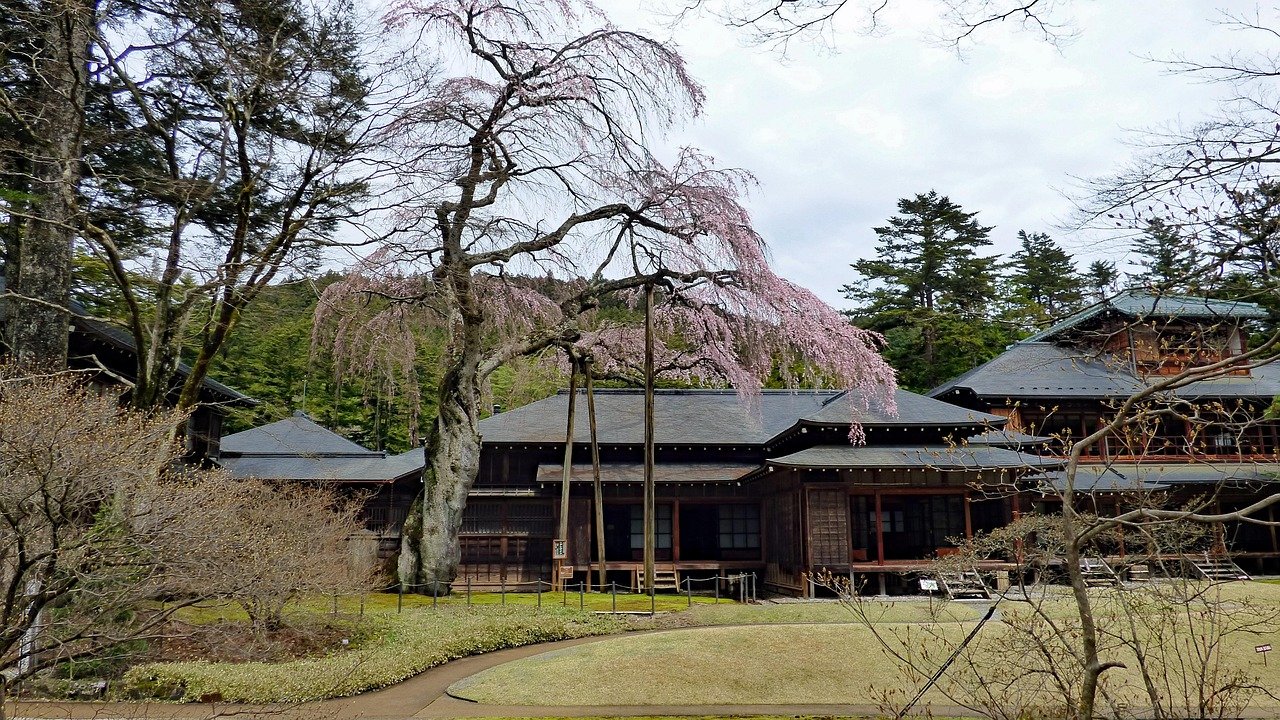
Nikko is a town in Tochigi Prefecture, about two hours north of Tokyo by road. It is known for its historic shrines and temples set among cedar forests, and for the natural scenery of its national park. Many visitors come for the shrines alone, but the surrounding mountains, lakes and waterfalls make Nikko worth a full day.
History and cultural significance
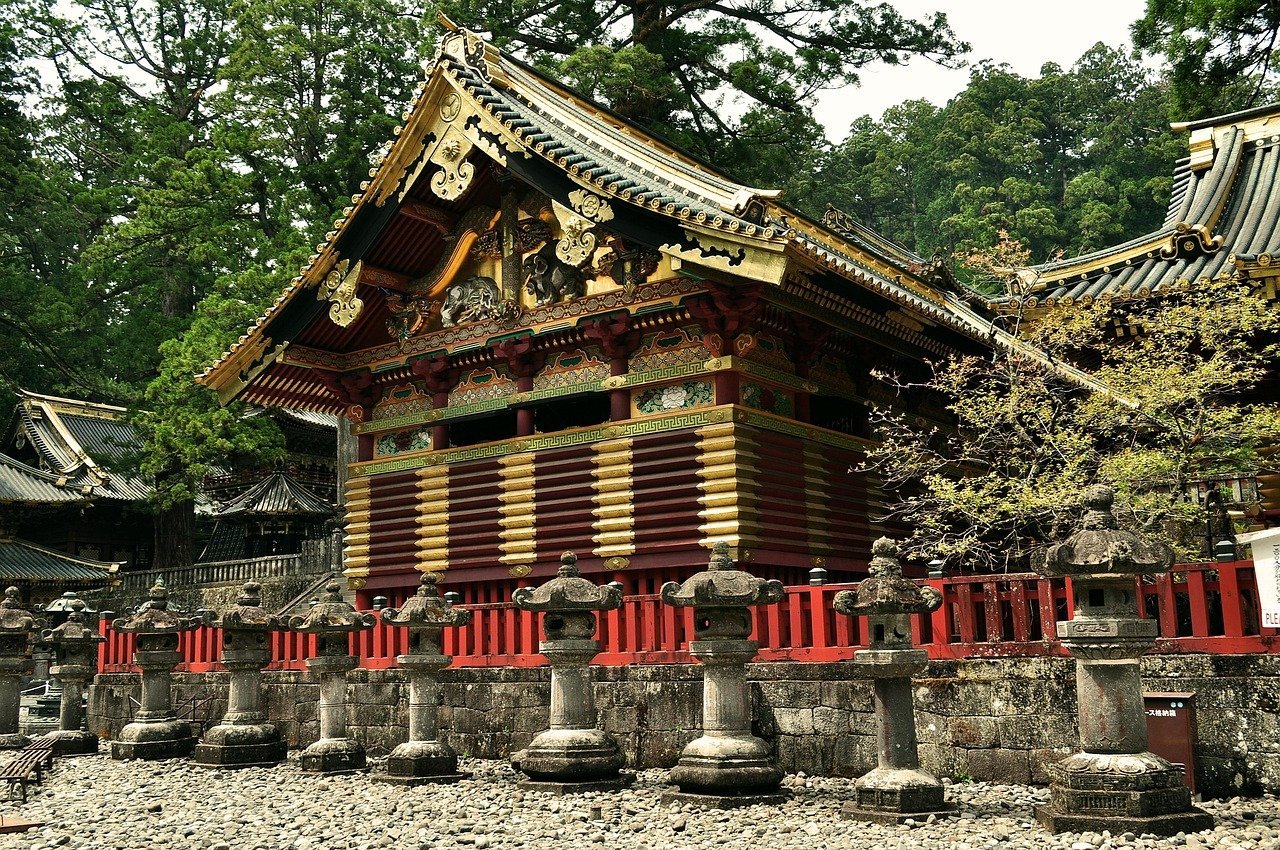
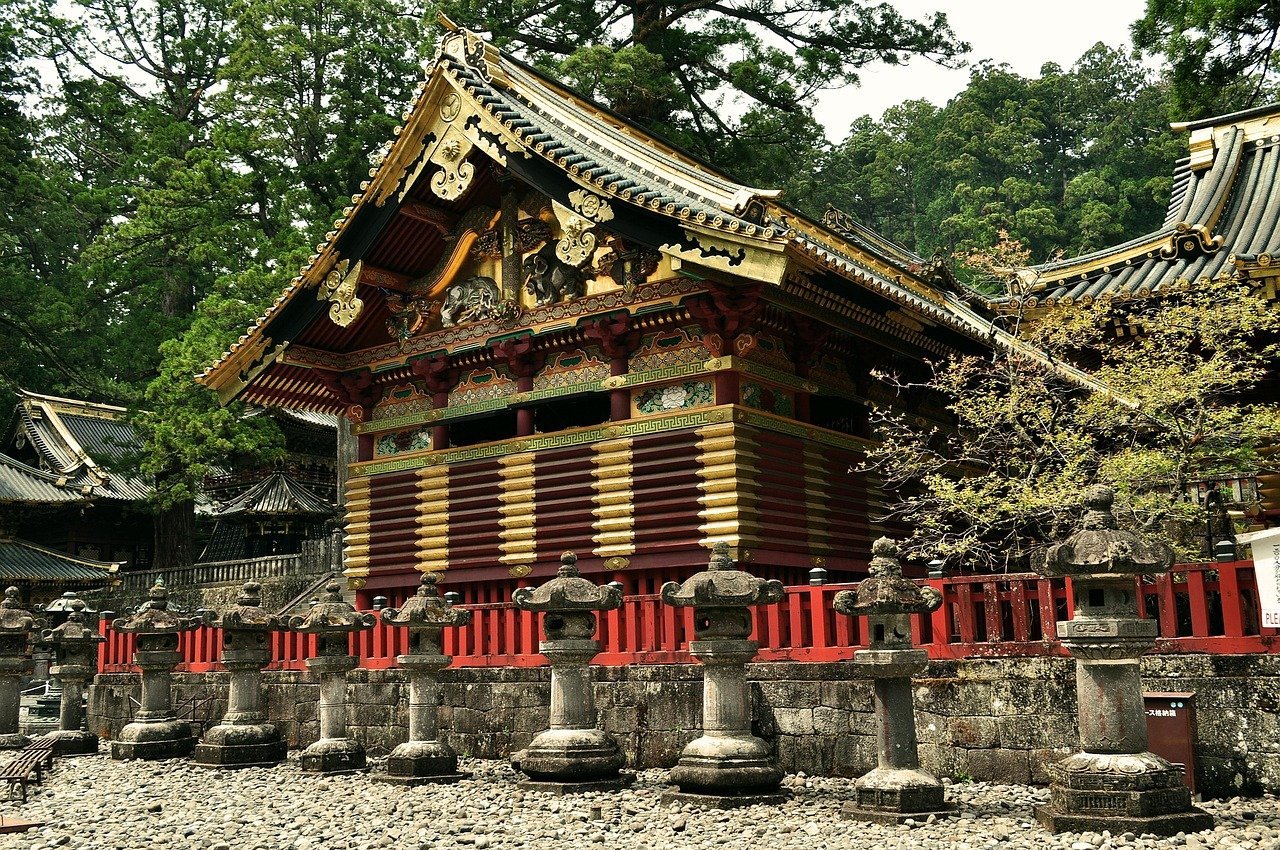
Nikko has been a centre of religious life for more than a thousand years. The most famous complex was built in the early 17th century, when Tokugawa Ieyasu, the founder of the Tokugawa shogunate, was enshrined there. The buildings reflect the artistic and religious traditions of that period, with decorative carving, lacquer and gold leaf. The area is still an active place of worship.
Nikko UNESCO World Heritage designation
In 1999 the UNESCO World Heritage Committee inscribed the "Shrines and Temples of Nikko" on the World Heritage List. The listing covers the historic shrine and temple buildings and their setting, and it recognises the craftsmanship and the way the buildings sit within the surrounding forest.
Toshogu Shrine
Nikko Toshogu Shrine is the best-known site in the complex. It is famous for its elaborate carvings, painted decoration and gold details, and for the Yomeimon Gate, one of its most ornate features. It is also home to the carving of the Three Wise Monkeys, who see no evil, hear no evil and speak no evil. Visitors often spend a long time walking through the complex and looking closely at the detail.
Shinkyo Bridge
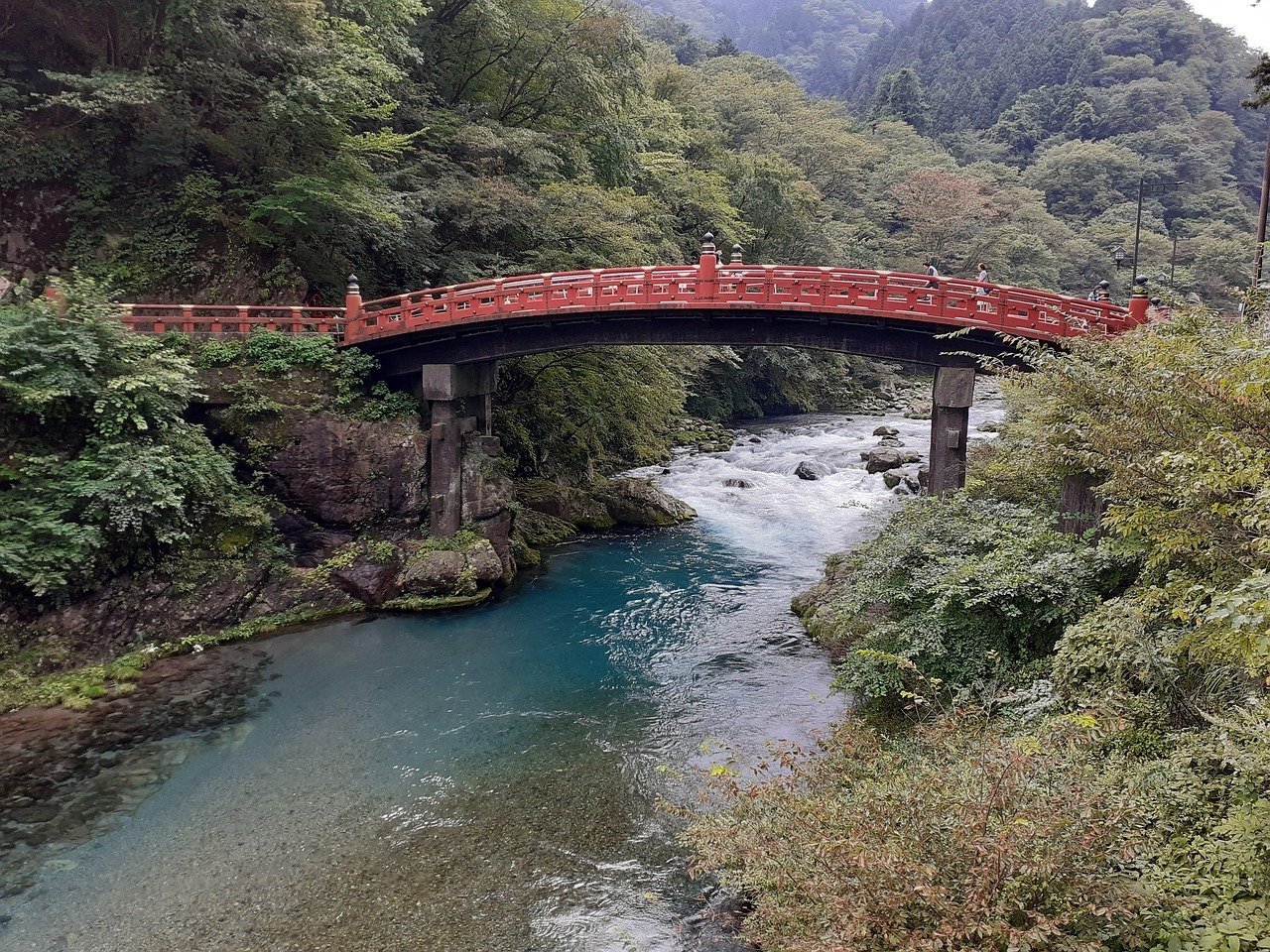
Shinkyo Bridge is one of Japan's best-known historic bridges. It is a red arched bridge over the Daiya River, and it marks the entrance to the sacred area of Nikko. Its setting among the trees and the river makes it a favourite for photographs. On the private tour, the bridge is the first stop on the second day.
Rinnoji Temple
Rinnoji Temple is a Buddhist temple in the Nikko complex. It has a long history, and its buildings are part of the wider World Heritage site. Entry tickets for Rinnoji Temple are not included in our Nikko tour.
Futarasan Shrine
Futarasan Shrine is one of the oldest sites in Nikko, with roots reaching back many centuries. It is set among tall trees and has a calm atmosphere that contrasts with the more decorated Toshogu complex. It forms part of the same visit, and entry tickets are not included in our tour.
Lake Chuzenji
Lake Chuzenji lies at the foot of Mount Nantai, a volcanic peak that is one of the symbols of Nikko. The lake sits high in the mountains, and the air is noticeably cooler than in Tokyo. It is a good place for a break, a photo stop and a walk along the shore.
Kegon Falls
Kegon Falls is one of Japan's three great waterfalls, with a drop of about 97 metres. Entry to the viewing areas is not included in our tour. An elevator to the lower viewing platform is available for an extra charge paid on site. The falls are particularly striking in spring and summer, when the water flow is strong.
Nikko National Park
The shrines sit inside Nikko National Park, which covers mountains, forests, lakes and waterfalls. The park is popular for hiking in warmer months and for autumn colours. Our private tour touches some of its scenery, including Lake Chuzenji and Kegon Falls, but it is a sightseeing tour and not a hiking trip.
Best seasons to visit
Nikko is attractive in every season. Spring brings fresh green forests and blossom in some areas. Summer is warm in Tokyo but cooler in the mountains. Autumn brings some of the most vivid colours, with the forests changing across the slopes. Winter is cold, and snow can affect roads and some paths. Because the mountain area is cooler than Tokyo at any time of year, bring a light jacket.
How to reach Nikko from Tokyo
By road, the journey from central Tokyo takes about two hours. The route includes the Irohazaka Winding Road, a series of tight hairpin bends. Public transport is also possible, but a private vehicle makes it easier to visit several sites in one day and to adjust the timing around traffic and weather.
Suggested sightseeing order
A full day in Nikko can follow this order: Shinkyo Bridge, the Toshogu complex, Kegon Falls and Lake Chuzenji, with time for lunch. Lunch is not included in our tour, so please bring some cash or buy food at a local place. The order may change depending on traffic, weather and local conditions.
Practical visitor information
- Wear comfortable walking shoes. Moderate walking is needed at the shrine complexes.
- Bring a light jacket, because the mountains can be much cooler than Tokyo.
- Entry tickets are not included in our Nikko tour. The optional Kegon Falls lower elevator fee is paid on site.
- Children under 5 years are not accepted on the Nikko day of our tours.
Choosing the right time to visit
Nikko is attractive in every season, but the experience changes with the weather. Spring brings fresh greenery and blossom, autumn brings strong colours in the forest, and winter can be quiet, with snow on the shrine roofs and cold air in the mountains. Because the area sits higher than central Tokyo, temperatures and conditions can differ noticeably from the city. Check the forecast the day before, and dress in layers.
Walking the shrine grounds at a steady pace
The Toshogu complex and its surrounding shrines and temples involve a fair amount of walking, stairs and gravel paths. Give yourself time to enjoy the detail rather than rushing from one building to the next. Many visitors find the quieter early hours give better photographs and a calmer atmosphere. Remove your shoes only where signs ask you to, and follow your guide's advice about where photography is allowed.
Lake Chuzenji and the mountain road
Lake Chuzenji sits in the mountains above Nikko, and the road up is one of the highlights of a full day. Views change with the season and the cloud, so the lake can look very different from one visit to the next. Stops at the lakeside and at Kegon Falls can be combined into one relaxed visit. Allow time for the road, which can be slow when traffic is heavy.
Respectful visiting at a place of worship
Nikko's shrines and temples are active places of worship as well as heritage sites. Speak quietly, follow the signs and avoid touching carvings or ropes unless you are invited to. Some areas may restrict photography, so ask your guide before taking pictures inside buildings.
Why Nikko pairs well with Mount Fuji or Nagano
Nikko pairs well with both Mount Fuji and the snow monkeys of Nagano. Our two-day private tours combine Nikko with one of these destinations, so you can see a UNESCO heritage site and a second landmark in one trip from Tokyo. Each tour page shows the stops, the duration of each day and what is included, so you can compare the options before you book.
Options include the Mount Fuji and Nikko UNESCO Heritage 2-day private tour and the Nagano Snow Monkey Park and Nikko 2-day private tour.
Pickup and drop-off for a Nikko day
Pickup and drop-off points are the ones you request. We collect you at the start time from the hotel or place you give us, and drop you at the hotel or place you request at the end of the day. On a two-day tour, the second day can start from the same place or from another location you request. Please give your pickup point, drop-off point and a WhatsApp number when you book.
Frequently asked questions
How long does a Nikko day tour take? Our private Nikko tour is about 10 hours, including hotel pickup and drop-off in Tokyo.
Is lunch included? No. No meals are included, so lunch and drinks are at your own expense.
Are the shrine admissions included? No. Entry tickets are not included in our private tour, and no meals are included.
Can I combine Nikko with other destinations? Yes. High Sky offers Mount Fuji and Nikko, Nagano Snow Monkey Park and Nikko, and a three-day tour that includes all three.
Recommended High Sky Nikko tours
- Nikko UNESCO Heritage and Nature Tour, a full-day private tour from Tokyo.
- Mount Fuji and Nikko UNESCO Heritage, 2 Day Private Tour, two days combining Mount Fuji with Nikko.
- Nagano Snow Monkey Park and Nikko UNESCO Heritage, 2 Day Private Tour, two days combining Nagano with Nikko.
- Japan Highlights, Mount Fuji, Nagano Snow Monkey Park and Nikko, 3 Day Private Tour, three days covering all three destinations.
Prices are for the whole private group, and cash on arrival is available when you book.