
What Mount Fuji is
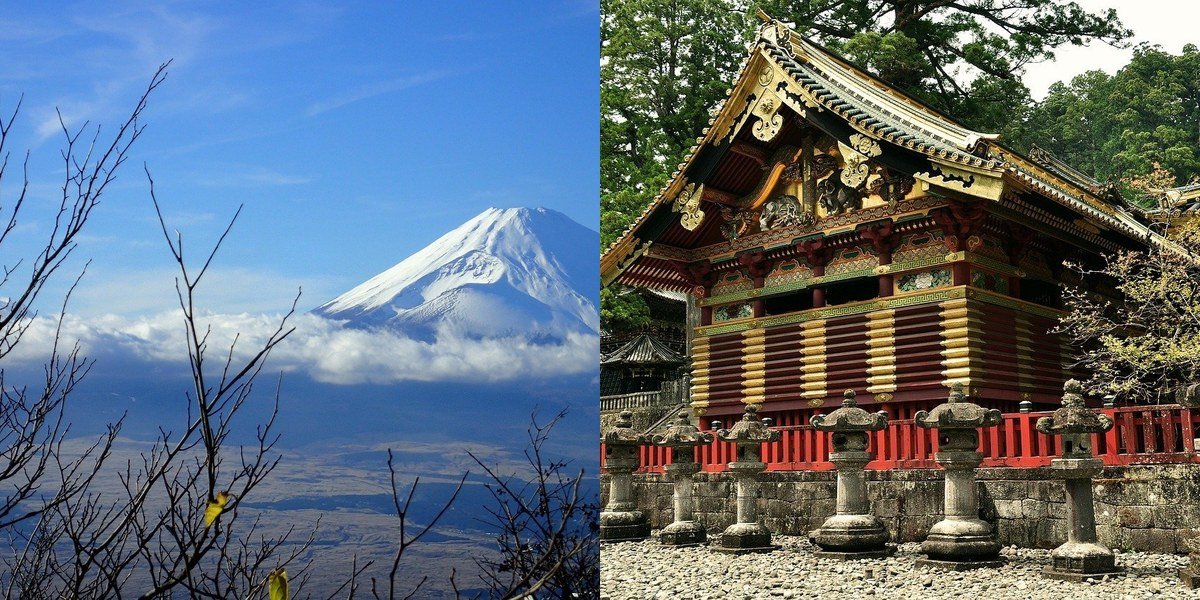
Mount Fuji, known in Japanese as Fujisan, is Japan's highest mountain at about 3,776 metres. It is an active volcano and one of the country's most recognisable landmarks. Its cone has inspired painters, poets and pilgrims for centuries. Visitors come for the view, for the lakes and villages at its foot, and for a landscape that feels very different from the city.
Why it is so famous
The mountain's symmetrical shape and snow-capped peak, which appears for much of the year, make it instantly recognisable. It appears on postcards, woodblock prints and countless photographs. Yet Fuji is also a working landscape of forests, lakes and villages, and the best days usually combine the view with the places around it.
UNESCO recognition and cultural importance
Mount Fuji has long been regarded as sacred. In 2013 it was inscribed on the UNESCO World Heritage List as "Fujisan, sacred place and source of artistic inspiration". The listing recognises both the mountain and its cultural importance. Pilgrims have climbed it for centuries, and shrines around its base mark its spiritual role.
Best places to see Mount Fuji
Most visitors from Tokyo visit three kinds of place. The first is the lakeside, where the mountain is reflected in calm water. The second is a higher viewpoint, where the cone can be seen across the landscape. The third is a traditional village at the foot of the mountain, where you can slow down and see everyday life. A private tour can arrange these in an order that suits your group.
The Fuji Five Lakes
The Fuji Five Lakes sit at the northern foot of the mountain. Lake Kawaguchi is one of the most visited, with broad views of the peak and a lakeside walking path. Lake Yamanaka is the largest of the five and has a quiet shoreline. Lake Motosu and Lake Sai are quieter and more rural. All five are popular for photography in every season.
Oshino Hakkai
Oshino Hakkai is a traditional village known for its eight spring ponds. Water from the mountain filters through layers of volcanic rock and emerges as clear, cold spring water. The village has old thatched houses and small paths between the ponds, and it is a good place to walk slowly. It is one of the stops on our Mount Fuji private tour.
Mount Fuji viewpoints and the 5th Station
Mount Fuji 5th Station is one of the highest points on the mountain that can be reached by road. From here the views are wide and the air is cooler than in the valleys below. Access depends on road and weather conditions, and the season matters. The climbing season is usually early July to early September, and the 5th Station is busiest in those months.
Oishi Park is another popular viewing spot, with a large open space and views across to the mountain. The thatched-roof village of Saiko Iyashi-no-Sato Nenba gives a glimpse of rural Japan that is very different from city life.
Best seasons to visit
Each season has its own character. Spring brings cherry blossom to the foot of the mountain and the lakes. Summer is the climbing season, and the lakes are at their busiest. Autumn often gives the clearest colours and some of the best viewing days. Winter brings snow to the peak and cold, clear skies, though mountain roads can be affected by ice.
Weather and visibility
Mount Fuji is often hidden by cloud, particularly in the afternoon and during the rainy season. No one can guarantee a clear view on a given day. The sensible approach is to plan a flexible day, with stops at several viewing points, and to accept that the mountain may only show itself in part. A good private guide can adjust the route on the day to find the best views.
How to travel from Tokyo
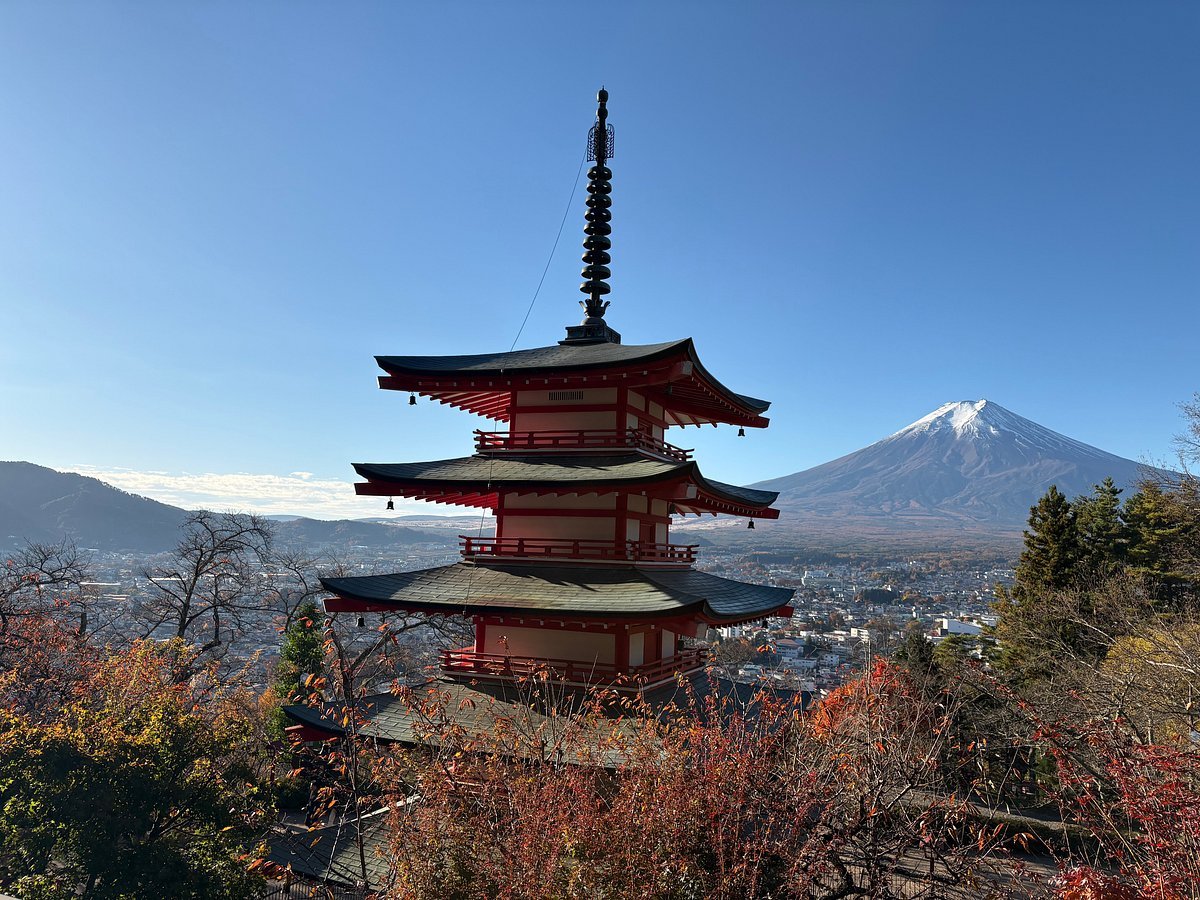
The drive from central Tokyo to the Mount Fuji region takes about two hours, depending on traffic and the route. Public transport is also possible, but a private vehicle gives you the flexibility to choose stops, adjust the timing and reach places that are hard to link by train and bus. Hotel pickup in the Tokyo 23 wards is included in our private tour.
Private transportation benefits
On a private tour, the vehicle, the driver or guide and the schedule belong to your group. You can stop for photographs, leave earlier if the weather turns, or stay longer at a lake you enjoy. There is no waiting for other travellers, and the day can be shaped around your interests.
Practical travel advice
- Wear comfortable, non-slip shoes, especially if you plan to walk at the lakes or the 5th Station.
- Bring warm layers. Mountain temperatures can be far cooler than Tokyo, even in summer.
- Carry some cash for lunch and small purchases, as meals are not included in the tour.
- Check the weather forecast before your tour, but do not expect a guaranteed clear view.
Planning your Mount Fuji day from Tokyo
A day trip to Mount Fuji rewards careful planning. The lakes, viewpoints and village stops are spread across a wide area, and travel times depend on the route, the season and the traffic. Check current timetables and road conditions before you set out, and start with the morning forecast, because mountain conditions can change within an hour.
Many visitors take a train or bus to the Fuji Five Lakes area and then walk or cycle between stops. This works well for independent travellers with time and patience. A private vehicle is a different kind of day. You set the pace, you can change the order of stops when the view opens up, and you do not have to plan around bus departures. That is one reason many visitors choose a private tour from Tokyo.
Keep the first stop flexible. If the summit is clear in the morning, go straight to the best viewpoint and leave the village stops for later. If cloud covers the mountain, spend more time at the lakeside and at the Oshino Hakkai ponds, which are attractive in almost any weather.
A seasonal checklist
- Spring: mild temperatures and a chance of clear mornings. Bring layers, because the lake areas can be cooler than Tokyo.
- Summer: warmer days, but the higher ground can be cooler and cloud can arrive quickly. Carry a light waterproof jacket.
- Autumn: often one of the most reliable seasons for clear views and good colours on the lakeside trees.
- Winter: the coldest season, with the chance of snow and ice on higher roads. Check whether roads are open before you travel, and dress for freezing conditions.
Whatever the season, a clear view cannot be promised. A cloudy day can still be a good day out, with lakes, village streets, museums and local food.
What to pack for the viewpoints
- Comfortable walking shoes, because viewpoints and village streets involve steady walking.
- A warm layer and a windproof jacket, even in summer, since it can be windy and cool near the lakes.
- Sun protection for clear days, which can be bright with light reflected from the water.
- A small bag for water, a snack, and your camera or phone with a spare battery.
- Some cash in yen for small shops and food stalls, since not every stall accepts cards.
Respecting the mountain and the local community
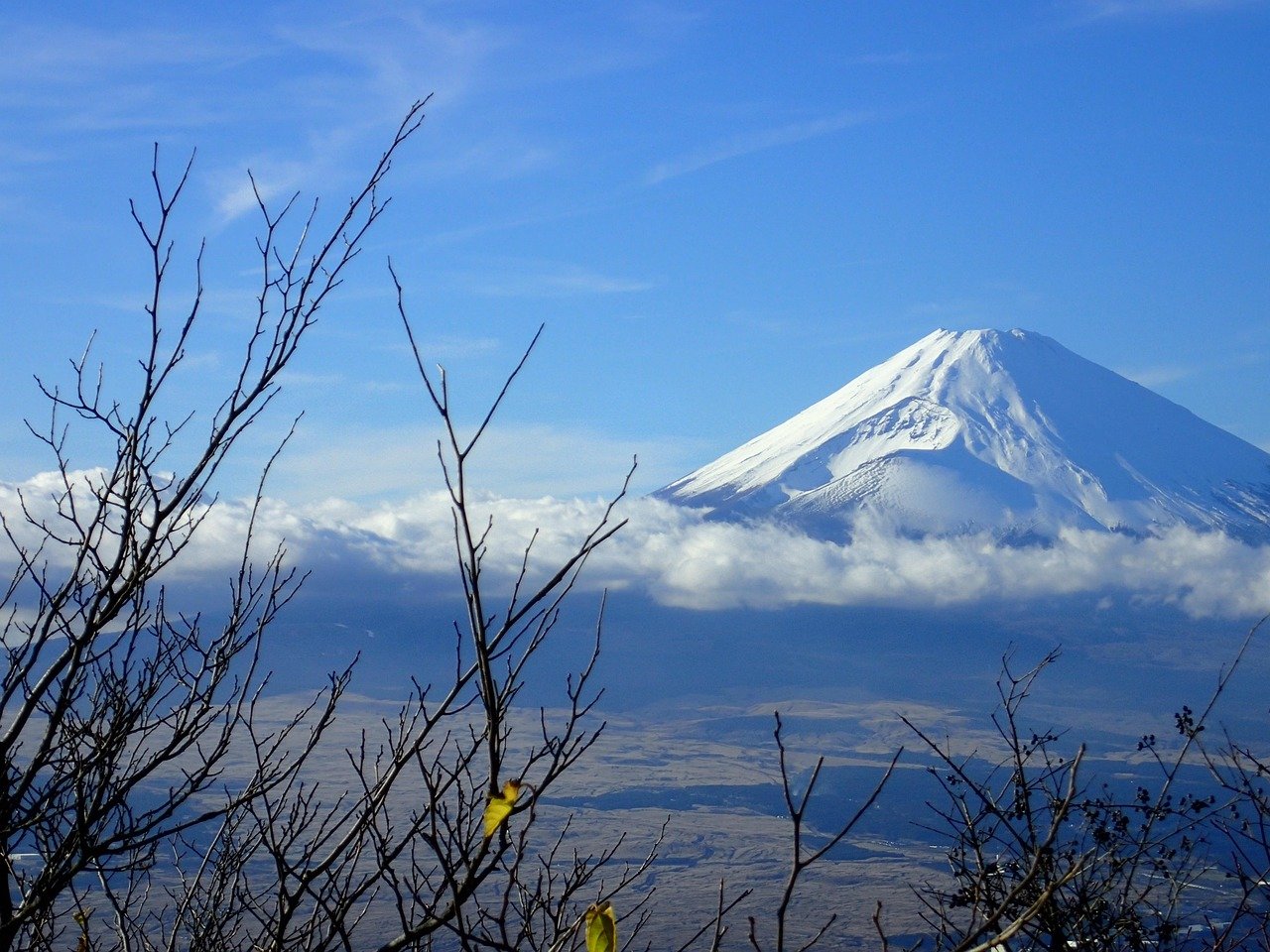
Mount Fuji is a sacred and much-loved landmark. Keep to marked viewpoints and paths, and take your rubbish with you. Local residents live with heavy visitor traffic, so park only in permitted areas, keep your voice calm in residential streets and follow the signs at viewpoints. Many visitors are surprised by how quiet and courteous the area can be, and that courtesy is part of what makes the day special.
Making the most of a private day
A private tour from Tokyo gives you one group, one vehicle and a guide who plans the day around your interests. You can linger at a viewpoint for photographs, ask for a longer stop at a lake, or skip a stop you have already seen. For families, couples and small groups, this flexibility often matters more than a price comparison with shared tours.
Pickup and drop-off points are the ones you request. On a private day from Tokyo, we collect you at the start time from the hotel or place you give us when you book, and we drop you at the hotel or place you request at the end of the day. Please give a WhatsApp number as well, so our team can confirm the arrangements before the tour.
Options include the Mount Fuji and Nagano Snow Monkey Park 2-day private tour and the Mount Fuji and Nikko UNESCO Heritage 2-day private tour, which extend a Mount Fuji visit into a longer journey.
Frequently asked questions
Can I see Mount Fuji on every tour? No. Visibility depends on the weather, and a clear view cannot be guaranteed. The tour includes several viewing points to improve your chances.
Is the Mount Fuji tour suitable for families? Yes, for families with children who can manage a day of travel and some walking. Children under 5 years are not accepted on the Nikko day of combined tours.
Are meals included? No. Meals and drinks are not included, except bottled water.
Can I combine Mount Fuji with other destinations? Yes. High Sky offers Mount Fuji with Nagano Snow Monkey Park and Mount Fuji with Nikko, and a three-day tour that includes all three.
Recommended High Sky Mount Fuji tours
Read the full details and check availability on each tour page.
- Mount Fuji Private Tour, a one-day private tour from Tokyo with the Fuji Five Lakes and Oshino Hakkai.
- Mount Fuji and Nagano Snow Monkey Park, 2 Day Private Tour, two days combining Mount Fuji with the Snow Monkey Park.
- Mount Fuji and Nikko UNESCO Heritage, 2 Day Private Tour, two days combining Mount Fuji with the shrines of Nikko.
- Japan Highlights, Mount Fuji, Nagano Snow Monkey Park and Nikko, 3 Day Private Tour, three days covering all three destinations.
Prices are for the whole private group. Cash on arrival is available when you book on the tour page.